
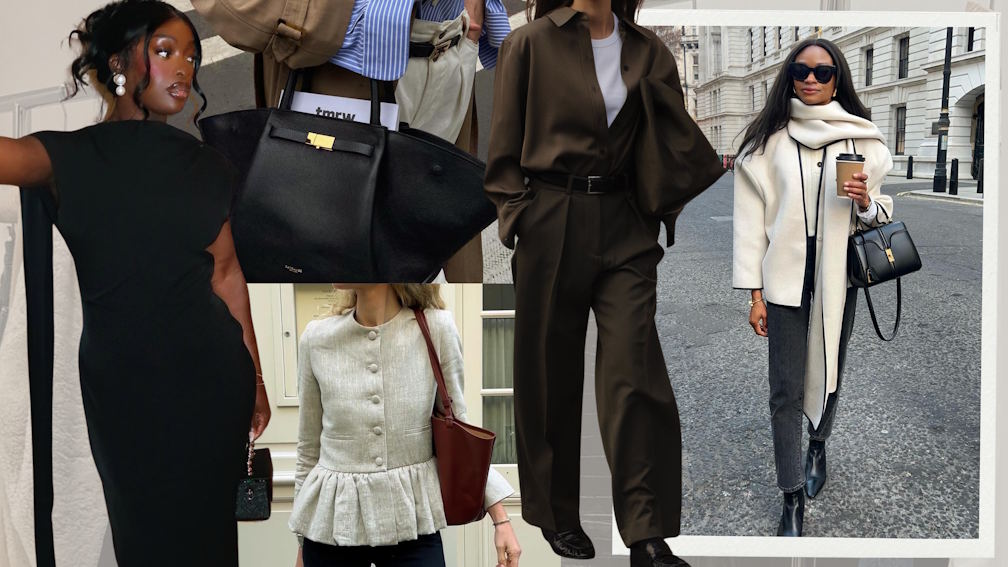
Two people walk into the same room. One is wearing a perfectly cut navy blazer, no visible logos, a watch that only someone who knows watches would recognize. The other has a statement necklace that catches every light in the ceiling, a silk blouse in deep emerald and heels that announce themselves before she does. Both look expensive. Both look intentional. And somehow, both are right.
This is the tension between stealth wealth and Vegas glitz — two completely different philosophies about how to dress, both of which work when executed well. The interesting question isn't which one is better. It's what happens when you learn to use both.
What each aesthetic actually stands for
Stealth wealth is the language of old money. It communicates through quality of fabric, precision of cut and the deliberate absence of anything that shouts. The person wearing it doesn't need your approval — they're not asking for your attention, which paradoxically makes them more magnetic.
Vegas glitz is the opposite bet. It says: I'm here, I know it, and I want you to know it too. Sequins, metallics, oversized jewelry, color that reads from across a room. It's performative in the best sense — dressing as an act of presence rather than an act of concealment.
Neither is shallow. Both are strategies.
The casino as the meeting point
There's one environment where these two aesthetics have always coexisted naturally: the casino floor. The high-roller in a plain charcoal suit sitting next to someone in a backless gold dress — both belong, both communicate power, just in different frequencies. This dynamic has translated seamlessly into digital spaces too, where european casinos online attract players across the full style spectrum, from those who prefer a clean, minimal interface to those who want the full immersive glamour experience. The common thread is that both aesthetics, in any context, require confidence to carry.
Where stealth wealth wins
Stealth wealth outperforms Vegas glitz in situations where the environment already has a lot going on visually. A formal dinner, a business meeting that happens to take place somewhere luxurious, an art opening — these are spaces where restraint reads as authority.
The pieces that do the work quietly:
- A coat in camel or deep navy with a clean shoulder line and no embellishment
- Leather accessories in cognac or black — belt, bag, shoes — that match in tone but not necessarily in texture
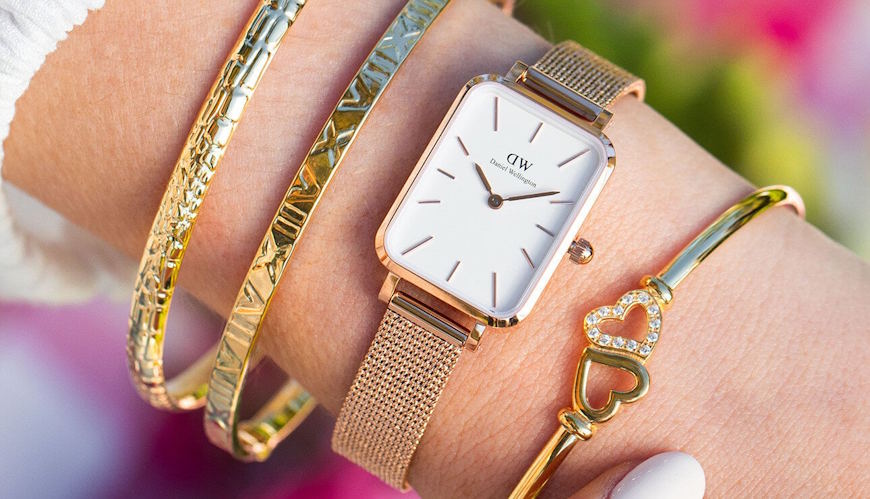
- A single piece of fine jewelry that requires proximity to appreciate fully
- Shoes with an interesting silhouette rather than an interesting finish
The rule here is simple: let the fabric and the cut carry the look. Everything else is secondary.
Where Vegas glitz earns its place
There are moments when holding back is the wrong call. A celebration, a night out somewhere designed for exactly this kind of energy, a wedding where you're a guest and not the one getting married — these are the spaces where Vegas glitz is not just appropriate but actually expected.
And glitz, when it's done right, isn't about wearing everything at once. It's about choosing one element that genuinely commands attention and building everything else around it.
The one-statement rule
This is the principle that separates glitz that works from glitz that overwhelms:
- Statement earrings — keep the neckline simple, the hair up or back
- Statement necklace — no earrings, or just small studs
- Sequin or metallic piece — keep the accessories minimal and the silhouette clean
- Bold color — let the color be the statement, keep the cuts and accessories neutral
One thing speaks at a time. That's what makes it powerful rather than chaotic.
How to blend both without losing either
The most interesting style territory is in the middle — where you take the discipline of stealth wealth and inject one element of deliberate glitz. A perfectly tailored suit with an unexpectedly bold shoe. A simple black dress with a cuff bracelet that catches the light every time you move. Understated everything except the bag, which is the color of something that belongs on a casino table.
This approach works because it creates visual hierarchy. The eye knows where to go. The rest of the look supports that destination rather than competing with it.
The people who dress most memorably aren't the ones who commit fully to one end of the spectrum. They're the ones who understand both languages well enough to speak a little of each — and know exactly when to raise their voice.